

Spring Emergence
Trilliums and superblooms.
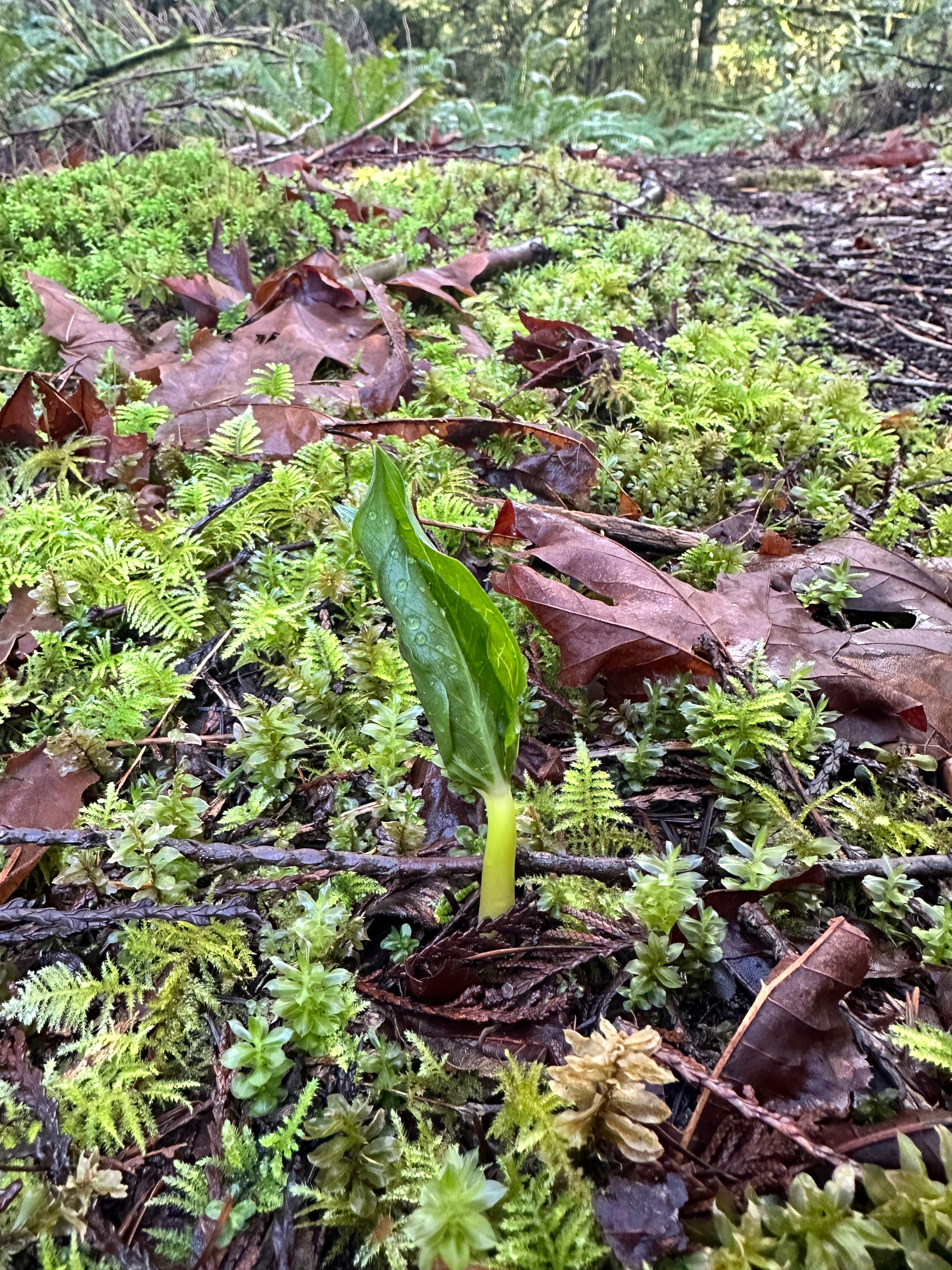
Since we’re finally to trillium season, a great reminder to be part of the trilliumaires not billionaires club. // Spots are now open for the DIVE Seasonal Writing Group spring session — this is a beloved seasonal offering led by Kerri Anne. Earlybird pricing if you sign up by March 25th.
Hello friends,
If spring had a soundtrack, it would be the patter of rain woven with the song of the robin.
I took a few minutes yesterday morning to just stand and listen.
Yesterday marked the equinox. Another season, another cycle. I went out in the rainy morning to inspect the local trillium spots. Despite the mild winter, they have been slow to emerge, probably hampered by last week’s snow too. When I found the first one it was almost a sign of relief.
The world is spiraling, but the trilliums are still here.
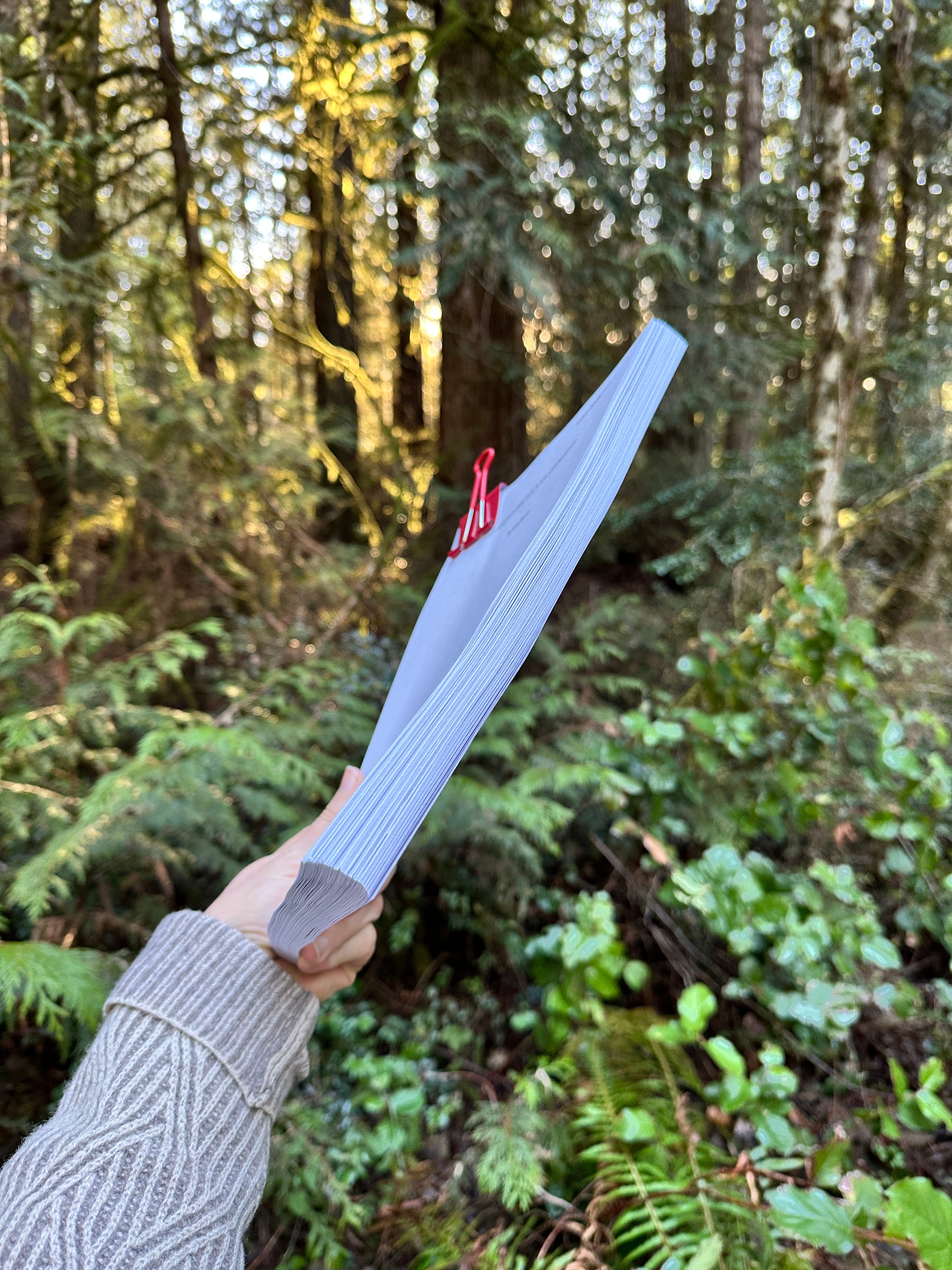
Earlier this week, I turned in my book draft. There will still be a few more rounds to go, many edits to be made, but this was the big and consequential delivery. The first time that the scaffolding of the book held everything in it without crumbling. At least good enough to get other eyes on it, fresh perspective that can see the gaps and what is missing.
When I turned it in on Monday night, I felt a sense of elation. Almost two years of work sent off with one little email. I printed a draft to read myself, mostly so I could just hold in my hand. The weight a physical reminder of all the work that had been done.
I woke up on Tuesday feeling like I could breathe a little lighter. It was nice to not wake up at 3am thinking about how to restructure a chapter. The sensation quickly wore off, replaced by the kind of flatness and mediocre mood that I know is the result of exhaustion. I texted a few writer friends. Normal response they assured me. You’ve been working on a big project for a long time, it takes a bit to recover.
In the last few weeks I had pushed most things to the side, news included. There are times when you have to block everything out in order to hear your own thoughts. In the car on the way to take a risograph printing class, a smart and very politically savvy friend gave me a long news recap of the past week. By the time we arrived at the community printing studio, the conversation had wandered through war, impending economic and global oil crisis, and all the way to a dark discussion about Peter Thiel’s aspirations for what the world and our lives should look like1.
“We really need to go make some art,” I said as I parked the car.
Never have I been so happy to be surrounded by a bunch of strangers learning how to use a machine. Here in this studio was the best of humanity: people wanting to learn, make, and share with each other.
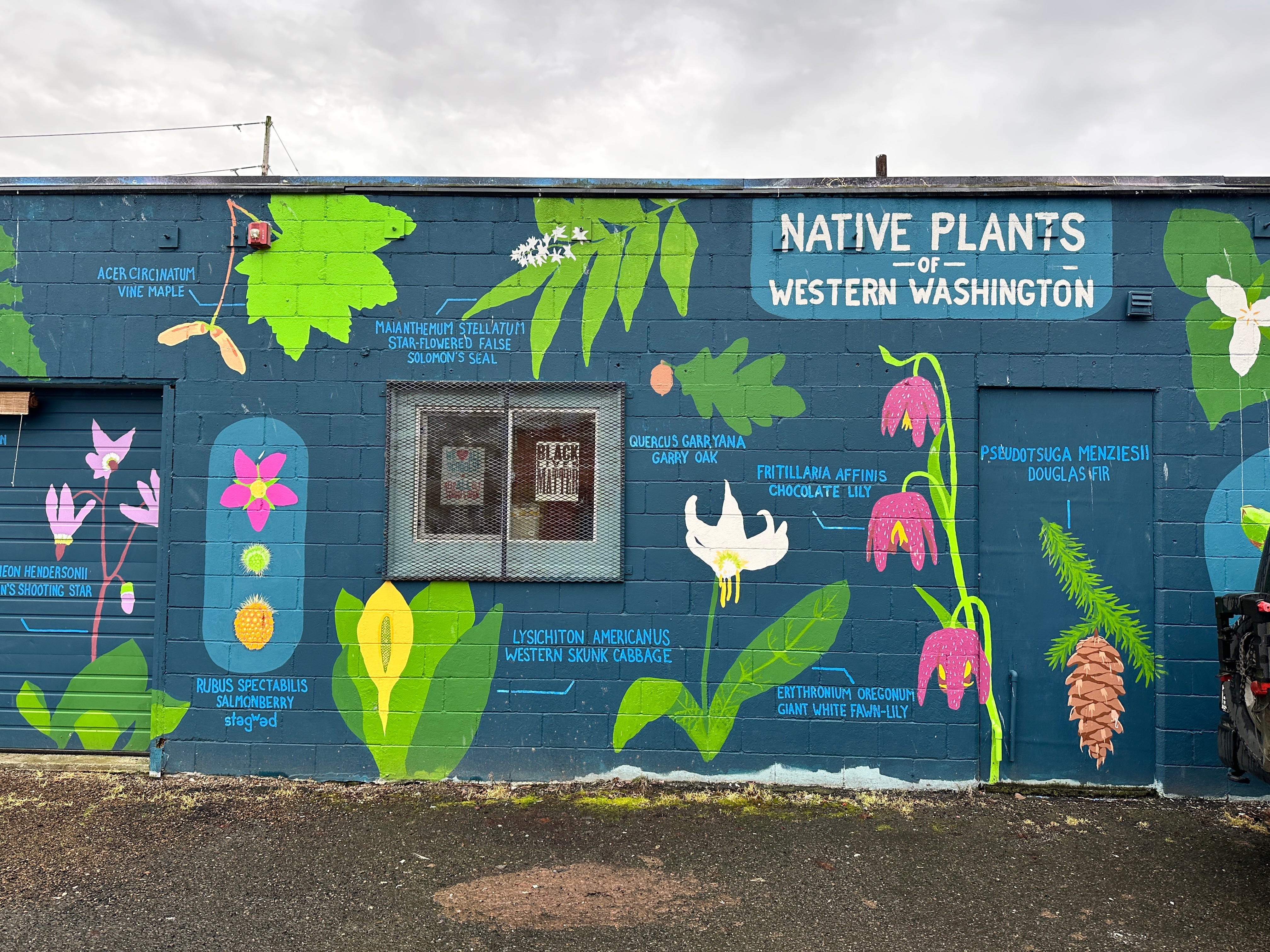
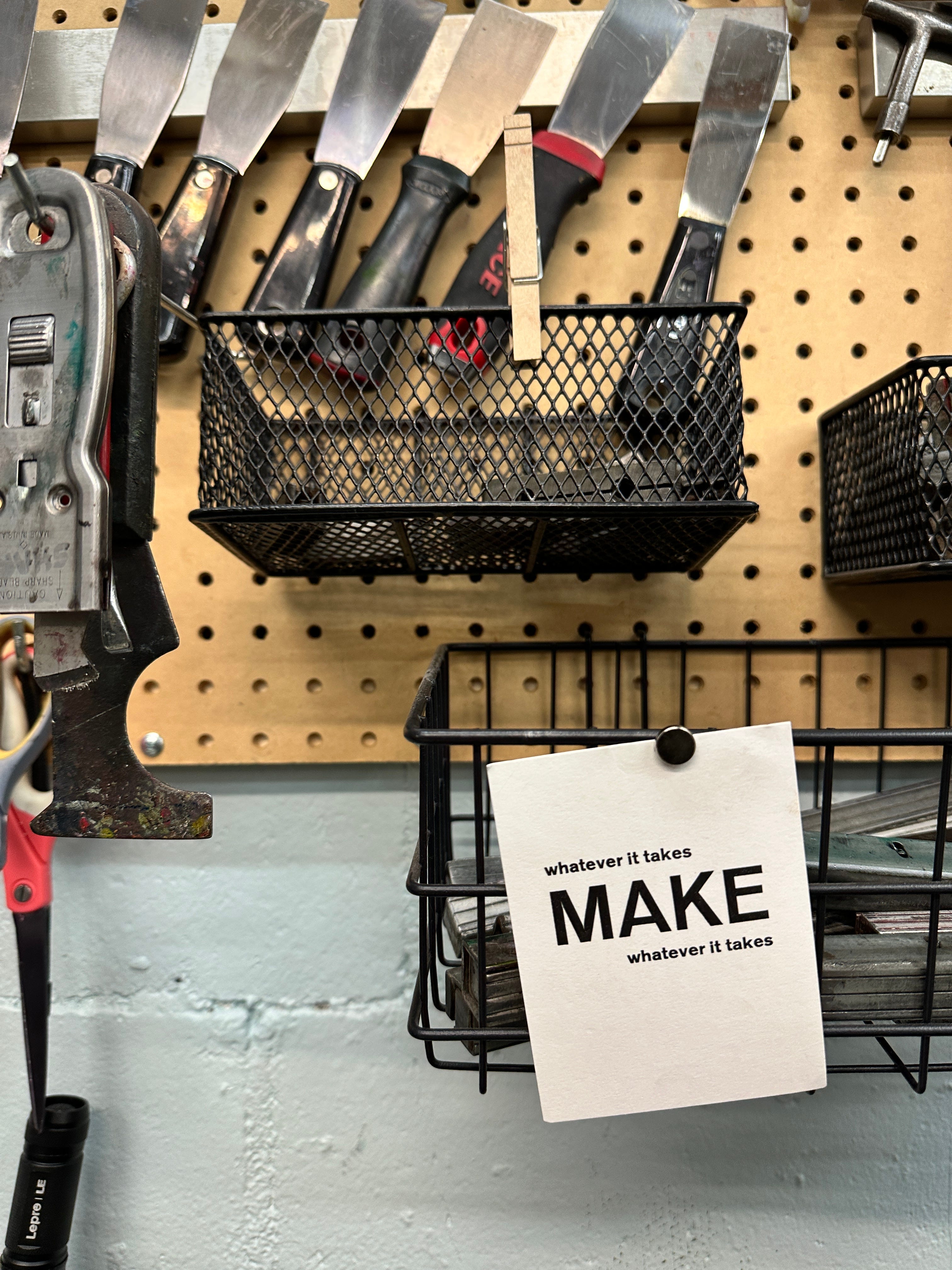
There were anti-war posters on the wall. There was a beautiful mural dedicated to native plants. There were free flyers to take that said “protect our library workers,” made by a local artist.2
The kind of things that make you feel a little bit better about the world.
I also looked at photos by photographer Dr. Elliot McGucken this week capturing the superbloom in Death Valley. It was the first time in a decade that the area burst into such color, all thanks to a rainier fall and winter. Dormant in the ground for a decade or more—what’s known as a “soil seed bank”—seeds wait patiently for the right temperature and precipitation to emerge.
“All blooms are super,” ecologist Tiffany Pereira reminds us (in perfect ecologist humor), but of course when a landscape is covered in the oranges, yellows, pinks, and purple at that scale, it’s hard not to feel a sense of awe. Even if you’re just looking through a screen.
I couldn’t help but think of the community print studio as a kind of flourishing ecosystem too, where vibrant ideas coalesce, where bold colors and statements are encouraged, where everything is part of one larger cycle.
Even amongst the desolate and destructive realities that we live in, there are still so many people continuing to plant seeds to bring something else to life. Sometimes they take ages to take root and bloom.
We keep planting them anyway.
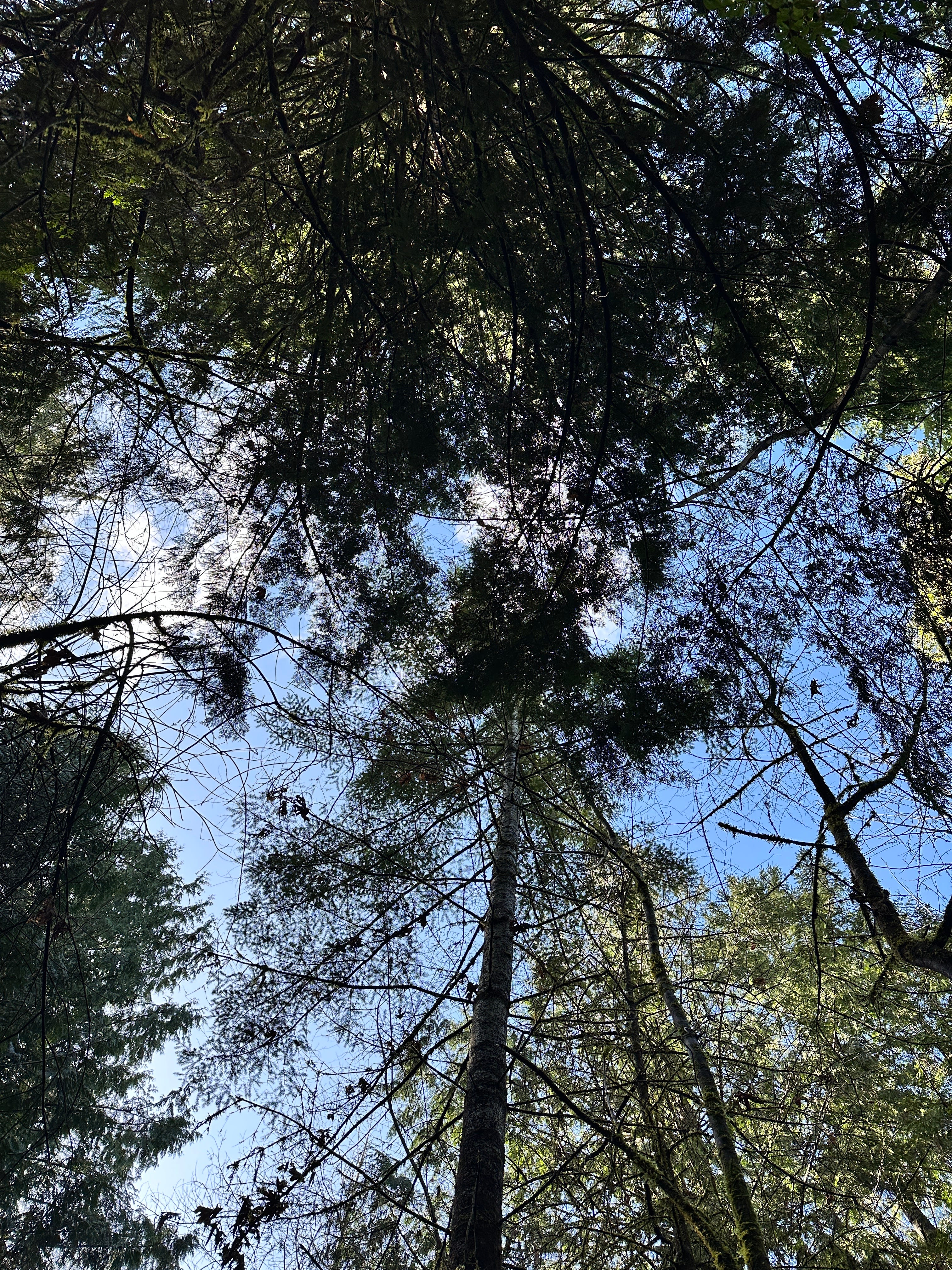
“We need to go and check in with the real world through our own senses… it disrupts the human narrative and allows the ravens and the oak trees and the spring beauty wildflowers to have their say and to show us things in the moment that perhaps we need to pay attention to,” says biologist and writer David G. Haskell. “And some of those are sad things and other things are actually quite full of hope.”
I always find that spring symbolism often verges on the cliché: we emerge from the darkness, there is renewal, and promise, and rebirth. The kind of deep truths that can quickly get whipped into platitudes. But I like Haskell’s point.
We’re not just out here looking for beauty and reminders of what can bloom, we’re reminding ourselves of what the full cycle actually entails. Life and growth but also dormancy and decay.
As if nature knew that we needed a little brightness, by the afternoon of spring equinox the rain had been replaced with sunshine. In the forest, I heard an owl, listened to the creak of a tree in the wind.
I went back to inspect the trillium. I looked down at the ground, at the bright green plant pushing up through the duff of wet, brown maple leaves. There the trillium was with its tightly curled leaves, not quite ready to unfurl, but definitely on its way to something.
I could have sworn it had already grown a little taller.
-Anna

Yesterday marked Nowruz, the Persian New Year. Meaning “new day,” the holiday has been celebrated for over 3,000 years. Certainly the holiday has a more somber tone this year. In honor of the holiday, you might want to explore the poems of Forugh Farrokhzad. As novelist Jasmin Darznik writes about Farrokhzad’s poems, “In those poems I found proof of everything America was telling me Iranian women were not and that Iran was telling Iranian women they shouldn’t be. Bold, brilliant, lustful, angry, difficult. Those poems saved me. They still do.”
“When they keep you from breathing through your nose, you open your mouth to breathe. For me, art photography was necessary to be able to breathe again.” Newsha Tavakolian via National Museum of Women in the Arts
Thank you to Lindsay Gardner for sharing Louise Glück’s poem “The Doorway.” I needed it, and you might need it too.
We need to do more connecting with each other. Mike Sowden has some excellent thoughts on the science of saying “oh hello there.”
“The business of acting as a medium between the spoken and the typewritten word was at first as alarming as it was fascinating.” via Public Domain Review

DIVE Writing Group: SPRING 2026 Session
The next session of DIVE, the Creative Fuel Collective seasonal writing group starts in April! Join Kerri Anne and make spring a season of writing. Three months of weekly prompts and check-ins, and monthly meetings with fellow creatives. Choose between the Tuesday and Thursday session. Earlybird price: $200. Sign up before March 25, 2026.
—> Spring 2026 TUESDAY Cohort - Meets April 7, May 5, and June 2, 4-6pm PT
—> Spring 2026 THURSDAY Cohort - Meets April 9, May 7, and June 4, 4-6pm PT

There’s a specific kind of crazy energy for this time of year and seeing the emerging trillium, or whatever it is, it’s like opening the spigot a little bit. I always feel like there’s the potential of a big crazy flood getting unleashed if I open it too much. But, it comes on the tail of so much that is drained in winter, I think the contrast is what makes it so strong. And even if I want to open that flood gate, there’s not enough growth or opportunity to do anything with it. It’s such a strange in between time! Where is the in-between being stifled and being completely frazzled?
Thank you for the link about the lesser acknowledged work of women in typing. I just picked up a restored 1950s typewriter for some analog art and other creative play and this was such an interesting and timely read!