

How the Heart Entered Our Visual Vocabulary
The evolution of a simple symbol.
You’ll keep forever! // What We Bring to the Table: A Writing Workshop About Food, Memory, and Meaning writing workshop with Kerri Anne starts on February 25th. Sign up here.
Hello friends,
How many times have you drawn a heart shape in your life? Do you even remember learning how to draw one? I certainly don’t. It was a long time ago, and I have drawn many since.
We may not give the heart shape much thought, but it’s one of our most common shapes and symbols, part of our collective visual repertoire.
Here’s a pretty famous one:
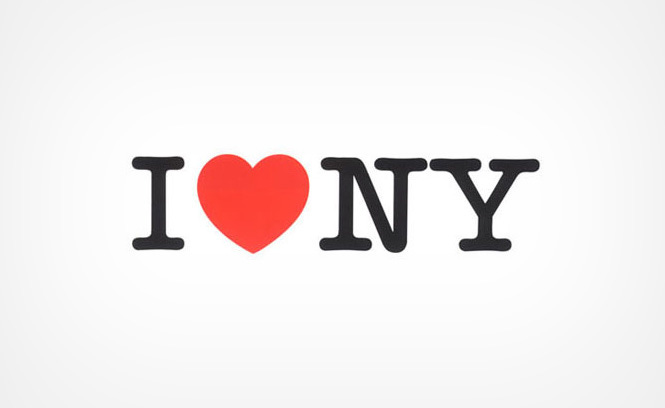
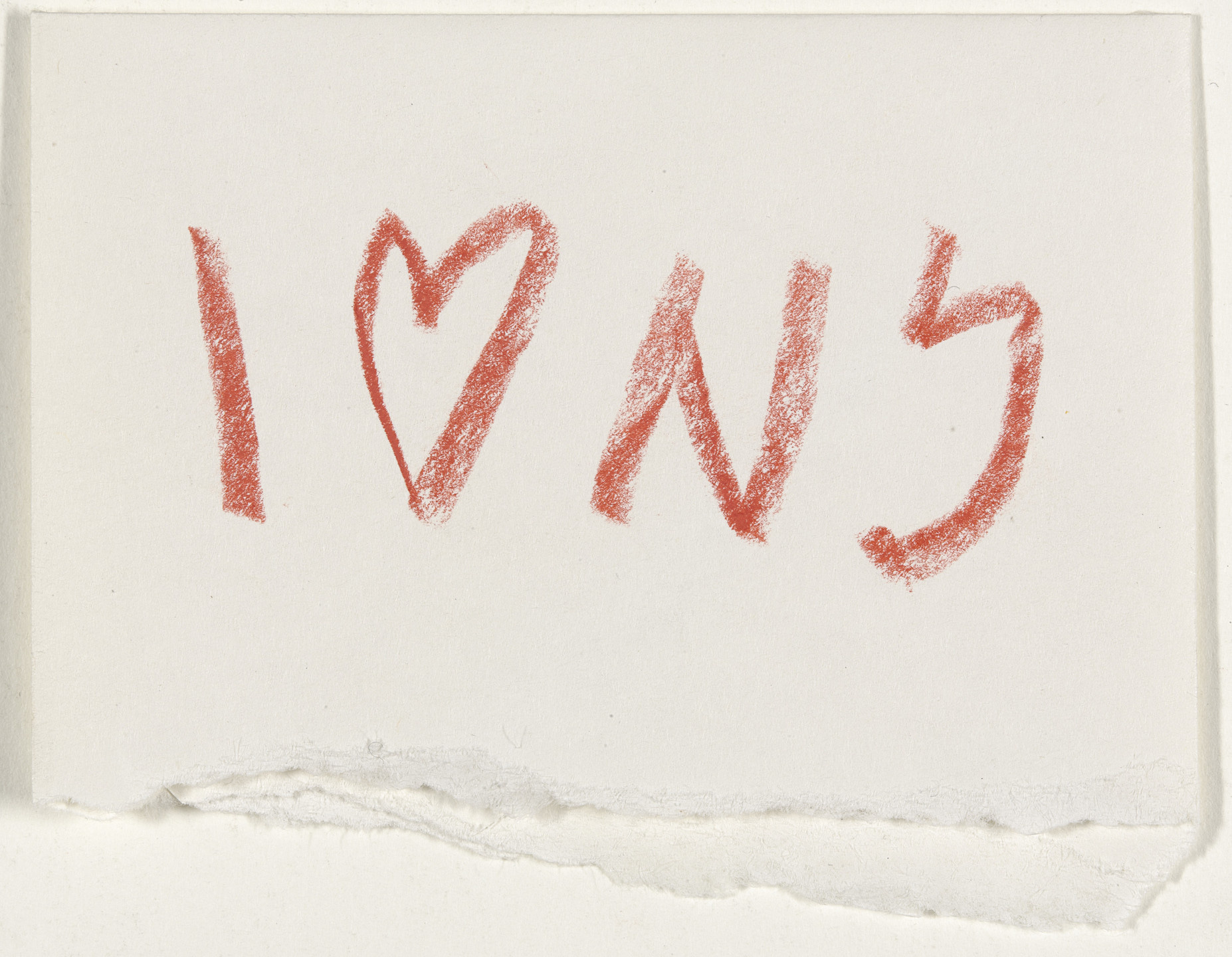
The idea for the iconic I ♥ NY logo famously came to Milton Glaser while he was riding in a taxi cab. He grabbed what he had on hand—an envelope and a red crayon—and sketched the concept for what would become one of the world’s most recognizable slogans. Glaser said that he took inspiration from hearts carved into tree trunks with initials of lovers.
Looking at his original sketch, I couldn’t help but wonder how many times he had drawn this shape before. You don’t just sit in a taxi cab and bust this out without having done a few in your life.
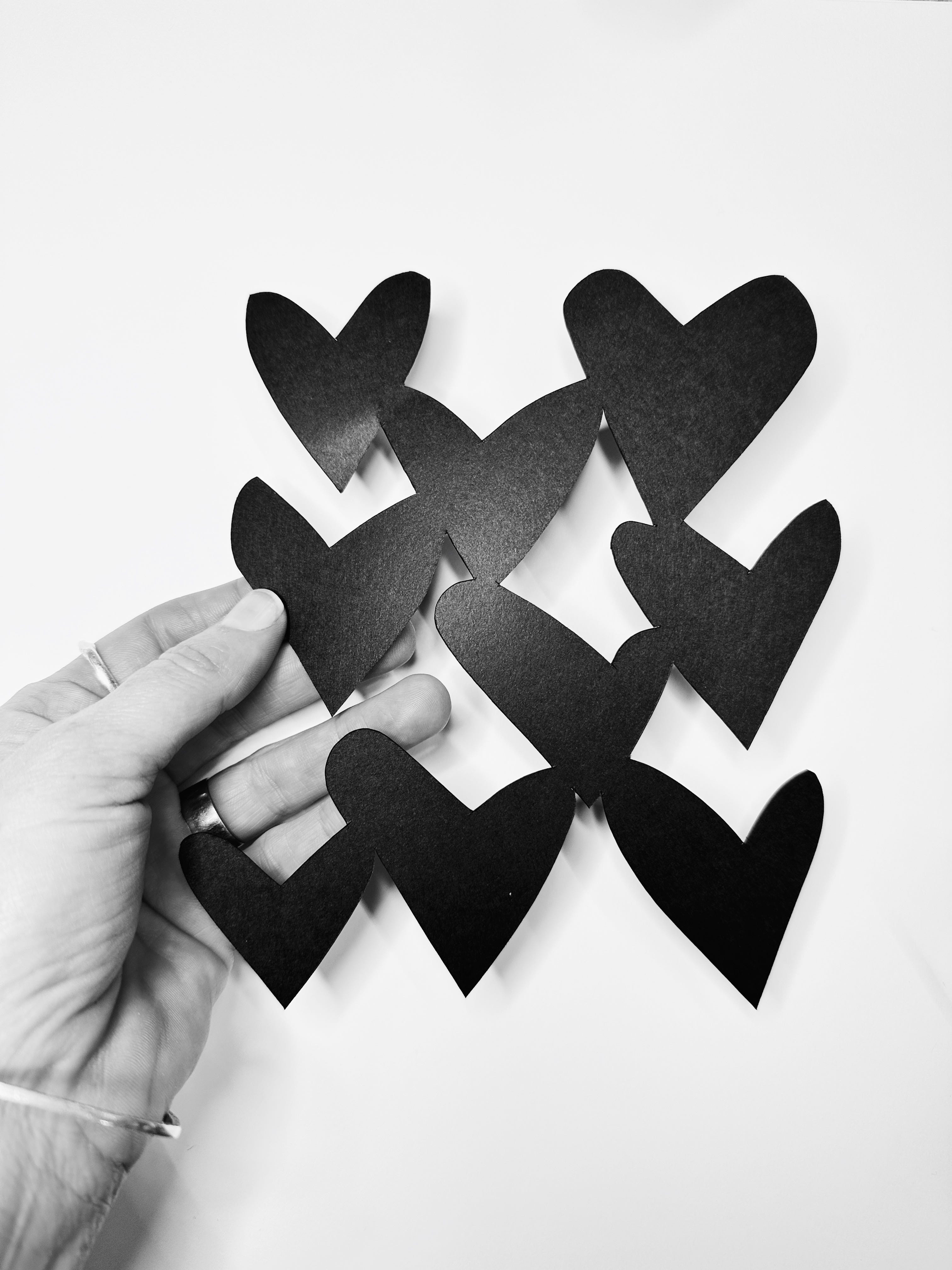
In the lead up to Valentine’s Day every year, the heart shape is seemingly everywhere and it certainly has been for the past few weeks. So. Many. Hearts.
Like many of you, I watched Bad Bunny make a heart shape with his hands during his performance last weekend. A shape that doesn’t require any translation. You see it and immediately know what it means.
All of this got me wondering about the shape’s creative history. This is our visual cue for love and affection. The heart shape transcends age, culture, and language. But it looks nothing like an actual heart. How did we end up with this ubiquitous symbol in the first place?
Let’s go back in history a bit and how we used to think about hearts.
In the Middle Ages, a person’s heart was believed to be like a book: a place where thoughts, feelings, and memories were inscribed1. The heart was a place of documentation, the encyclopedia of someone’s inner world. Even further back in ancient Egypt, the heart was not only seen as the center of emotion and intelligence, also believed to hold one’s memories.
We may not view the heart in this way anymore, but remnants can still be found in our daily language. If we learn things “by heart” it means we’ve committed them to memory. To record something is to document, make note, and even this use has a link to the heart, in the Latin root cor. I like this view of the heart as the “metaphoric seat of memory.”2
The heart is a place of inscription, one we’re constantly working at underlining, highlighting, and even erasing and re-writing again.
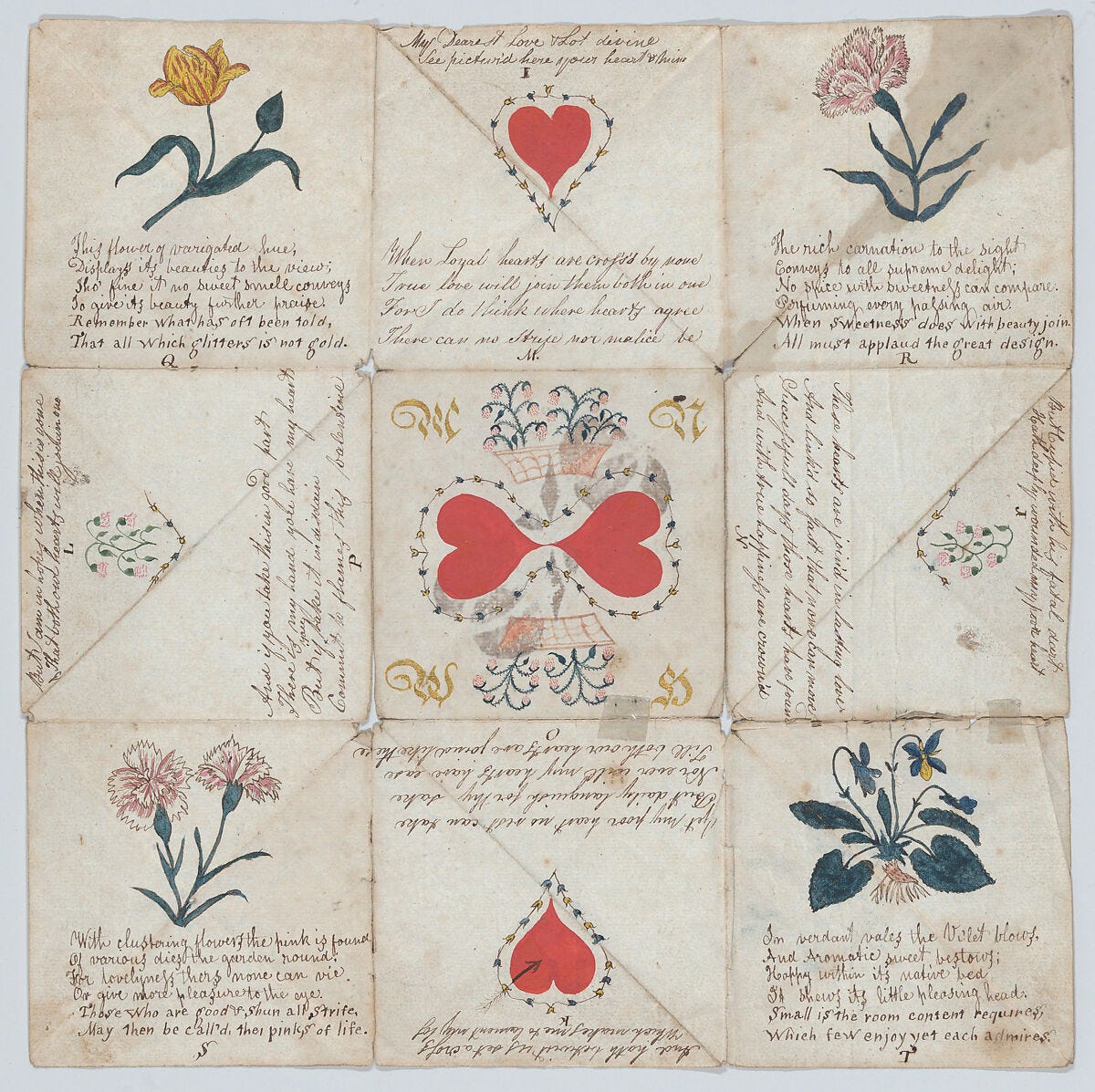
Heart shapes have been used since ancient times as decorative elements, but the shape and meaning of today’s “logo of love” surfaced sometime in the medieval or renaissance periods.
It probably wasn’t difficult to find inspiration for the shape. Spend time looking around in nature, and you’re likely to find a heart somewhere. Cyclamen, catalpa, philodendron, and all kinds of other leaves. An open mussel shell. Two courting swans as their beaks touch. An occasional heart-shaped rock found on a beach. There’s even a heart-shaped surface on Pluto.
One theory is that the heart shape was an interpretation of the silhouette of an ivy leaf, often used as a symbol of fidelity. Some argue the shape is inspired by some of the rounded curves of human anatomy (think: breasts and buttocks).
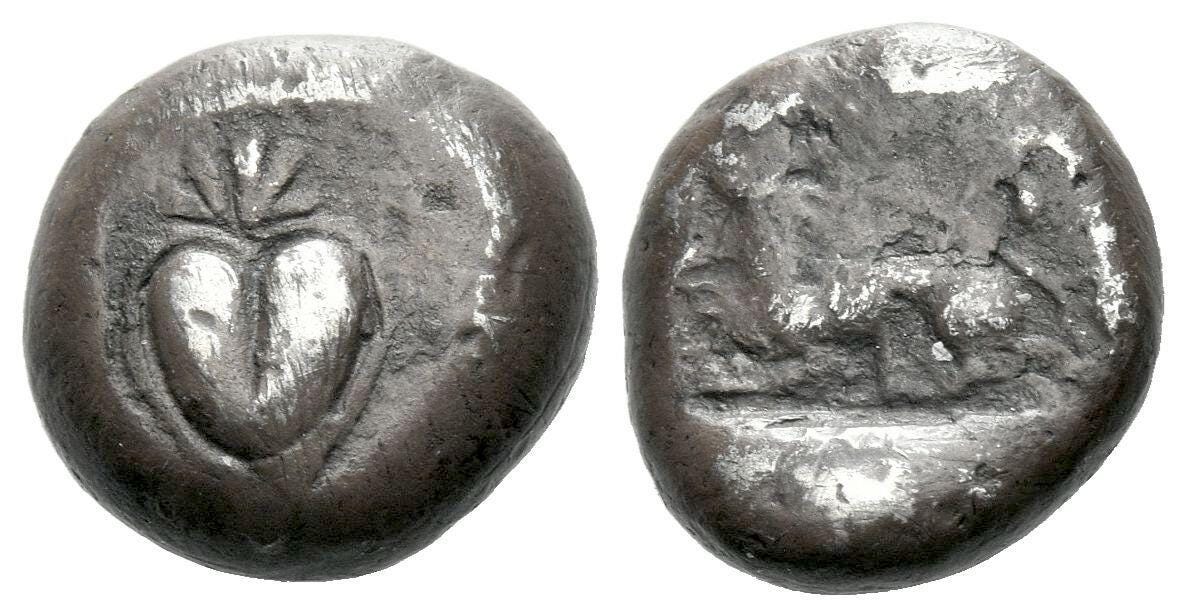
It may also be linked it to the ancient plant silphinium, a species of giant fennel that was often used as birth control and therefore symbolically connected to love and sex. While cultivated into extinction (its contraceptive powers were that popular), the plant’s heart-shaped seedpods were printed onto silver coins in the ancient Greek city of Cyrene.
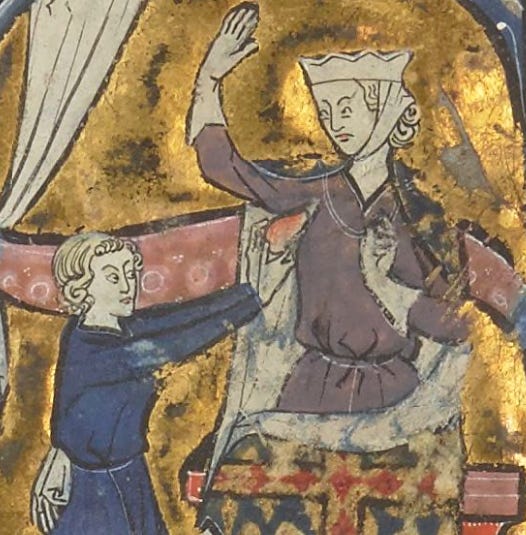
The first illustration of a heart done for non-medical purposes is believed to have been drawn for the medieval French love poem Le Roman De La Poire by Thibaut, written around 1255. This is believed to be the first time that we see someone “giving” a heart to someone.
Less than a century earlier, in 1184, poet Andreas Capallenus had written about courtly love as “the pure love which binds together the hearts of two lovers with every feeling of delight.” With the heart as the focal point of affection, it became common practice for European kings and queens to have their hearts buried apart from their bodies3. While the body would be in a family crypt, their heart’s final resting place would be dug into the ground in a place that they loved. Scattering ashes in beloved places feels like the modern-day version of this.
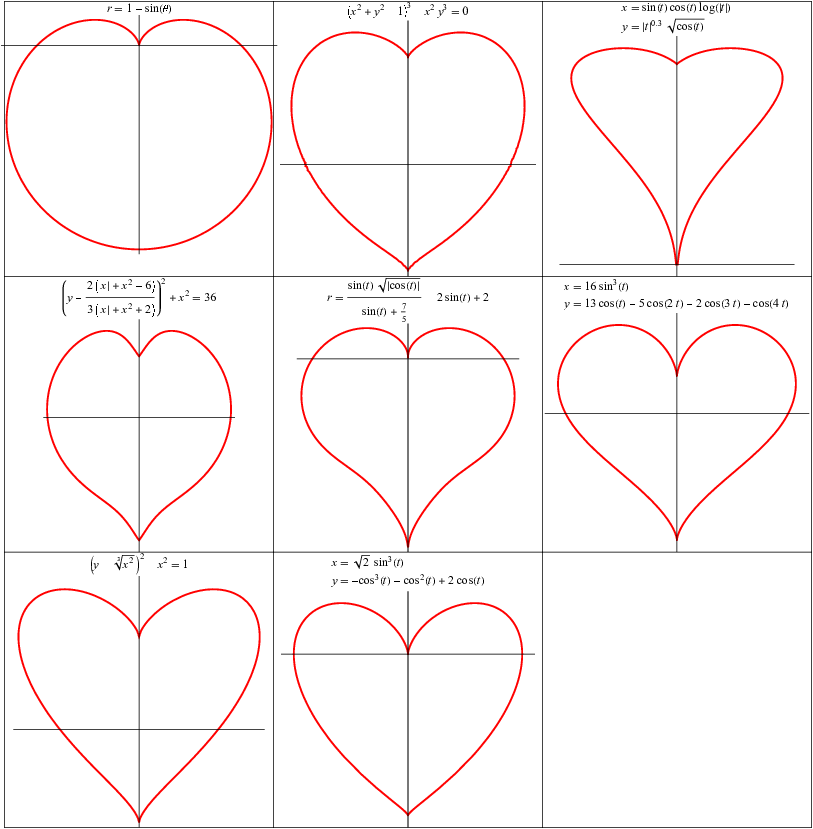
No matter how we got there, the symbol is deeply rooted in our visual vocabulary. On our phones and our clothing, plastered all over advertising and marketing campaigns.
Even if it wasn’t Valentine’s Day today, I would guess that you have seen a heart shape in the last 24 hours. They’re cornerstones of our social media lives, where the heart serves not as love but as simple reaction.
I always think of the American tendency to say we loooove things. We’re as flippant and casual about the sentiment as we are about using the heart emoji. We love anything from chips to reality tv to pop stars. “Love you!” has become a quick and easy signoff, so much so that I’m often hesitant to use it at all. If I’m going to employ it, I want it to mean something.
All this heart and love business quickly becomes a little cliché, a little cringe. If you can love a tv show, what does that mean for your friendships? If you can double tap to add a heart to any digital image, what does that mean for when you stand in front of a piece of art and actually feel something?
I’m reminded of a friend who used to work in a cafe and one time overheard two sorority girls saying goodbye to one another. As they walked out one said to the other “love you, mean it!” You have to read this out loud and really emphasize it in a Valley girl accent for full effect. In my household this has jokingly turned into using “LYMI” in texts.
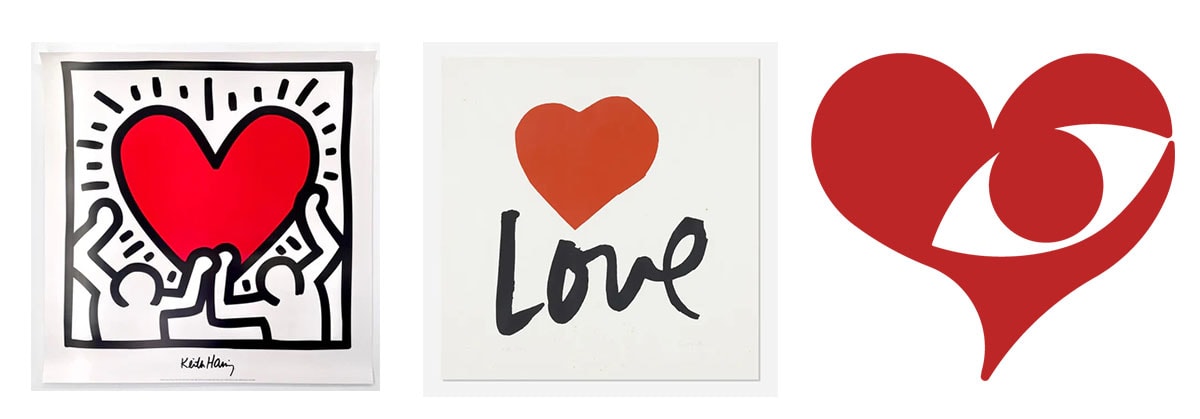
You could argue that the heart symbol is overused. Too many of them and the visual becomes too saccharine. Like overdosing on a box of conversation hearts. But when a symbol is that ubiquitous, it begs to be reclaimed. This simple symbol can stand for nothing or everything. It all depends on the intent we put behind it.
After all, we all have access to it. You don’t have to be an expert to draw one. It can be done in one single pen stroke if you want. It does not need to be perfect, or symmetrical. Even the wonkiest drawn hearts look good, no matter what age you draw them at. And even with no art supplies, you can still make one with your hands.
No matter how often the symbol is used, it still represents the most powerful human emotion. A visual that allows us to tap into the universal, whether we’re sending a note to a friend or making a bold creative statement.
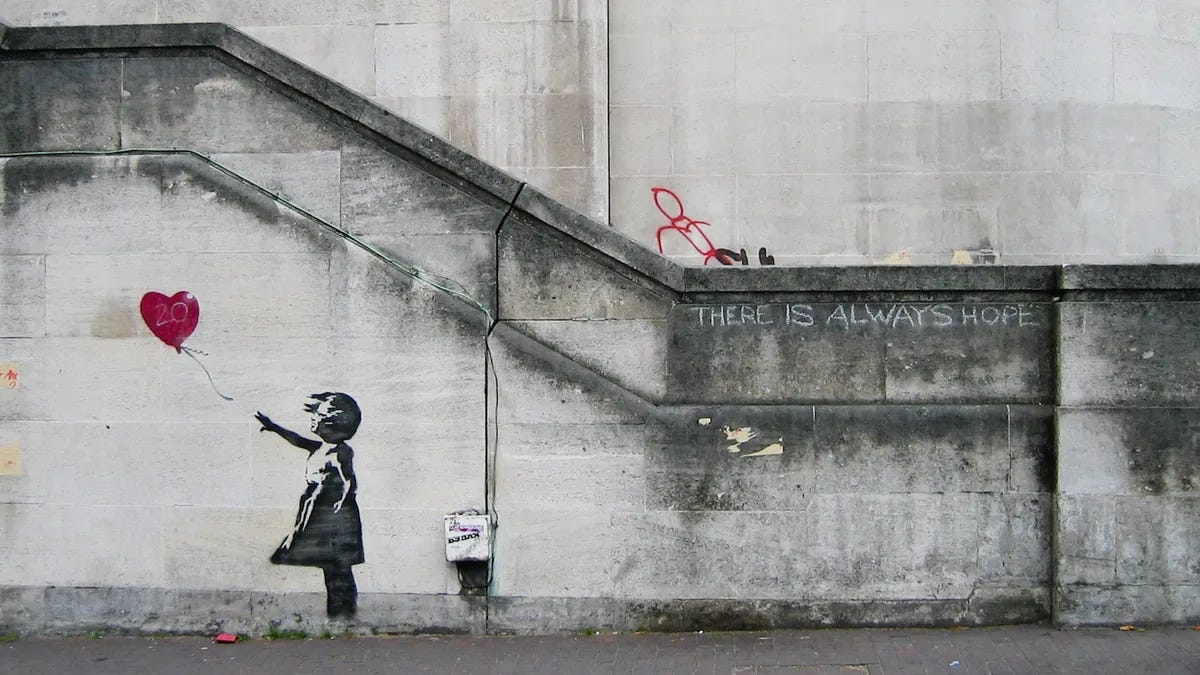
And aren’t we in a time when we need more love? I don’t mean the saccharine kind. I mean the deep kind, the radical kind. The kind that radiates outward, connects us to each other. It’s so easy to say we believe in love, it’s another thing to put it into practice.
Today, draw a little heart somewhere. For you, for someone else, for all of us.
LYMI ❤️
Anna
ANALOG INSPIRATION: PUZZLE PURSES
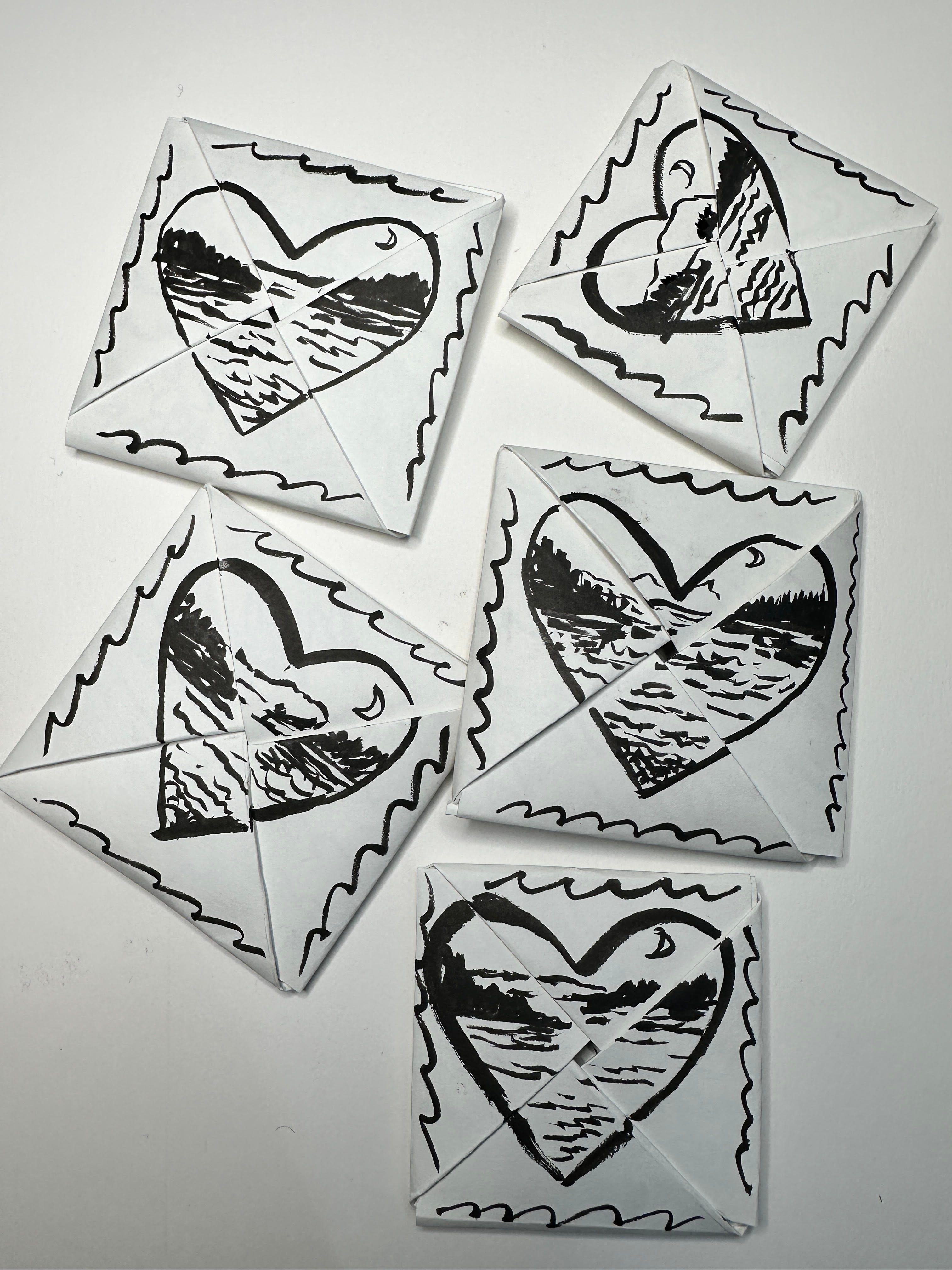
I made quite a few Puzzle Purses this week. These are very cool folded pieces of paper that were often made for Valentine’s Day during the Victorian era. But they don’t have to have hearts on them—you can use these for all kinds of things.
The folding pattern makes for a pinwheel shape that you then fold up into a square. It took me a few versions before I got the hang of the fold, but I promise the effort is worth the payoff! If you want to make one yourself there are good instructions here, here, and here.

All you need to do is open the blinds.
“Done with the compass- done with the chart!” Emily Dickinson’s “Wild Nights” poem
Make a collection of paper rocks.
We really need to be thinking about heat.
“In high school, I learned how to write research papers using the index card method – record one idea or quote per card, then lay out all the cards and put them in an order that makes an argument (which is a version of telling a story). That’s collage.” Lesley Finn on the writing process as collage.

Anna--So appreciate all the research you did to share the history of the heart shape, the meaning of the heart over time. Very Heart-warming🩷🌷
Anna, I ❤️ the heart by Lucia Eames - so clever, so succinct, so beautiful! I don't believe I've ever seen it before. Thanks for the introduction!