

Human Scale
On capacity, the pursuit of analog, and looking at the stars.
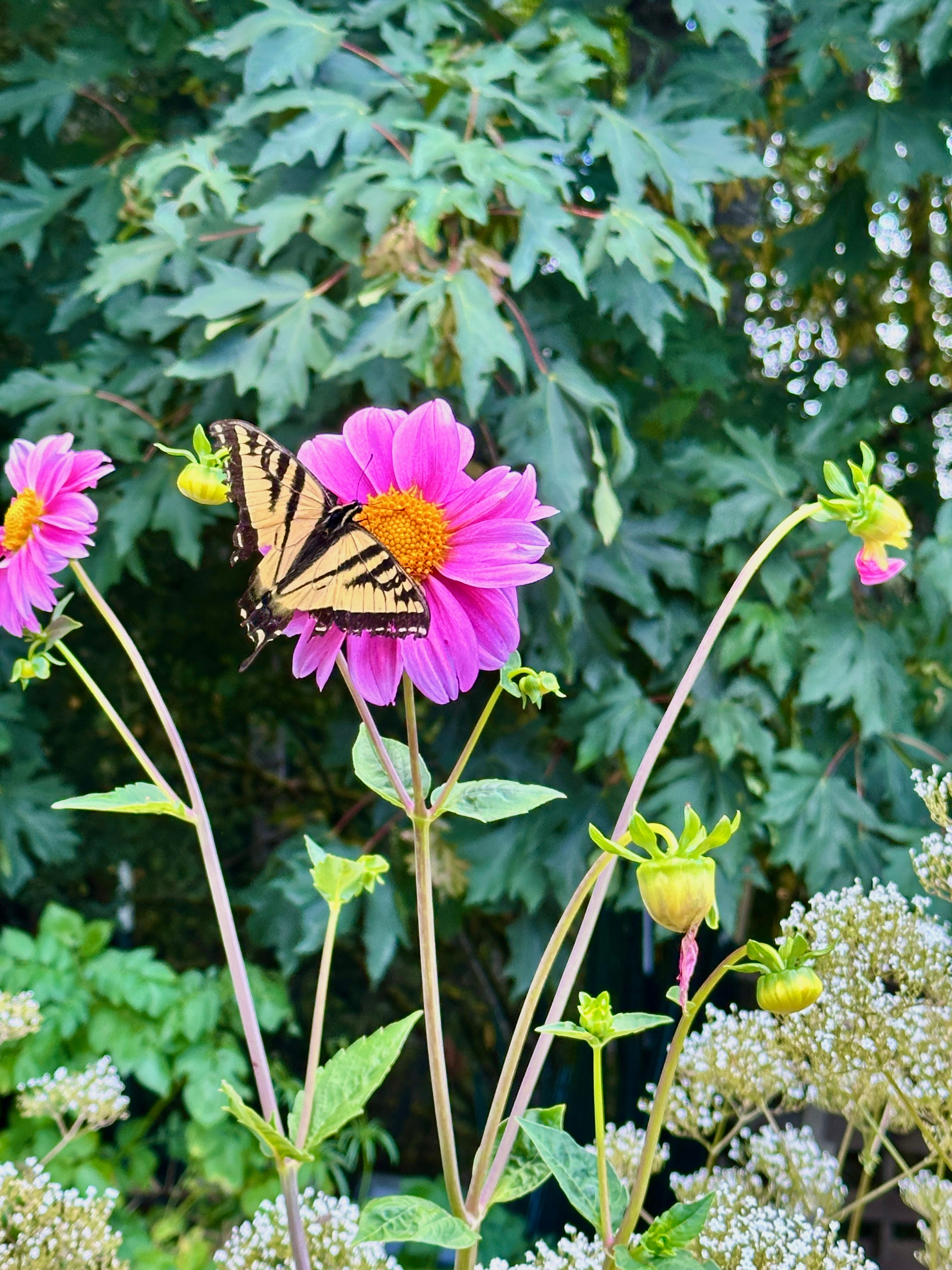
Since it’s summer, you have permission to procrastinate. // And maybe you need some washi tape with vegetables to brighten your mood?
Hello friends,
A few weeks ago, a friend and I were discussing a potential project. “How would you scale that?” he asked.
Isn’t it strange that we immediately opt for business and economics language?
Thinking about how to scale something is in the same vein as the popular statement “you could sell that,” a response often offered when someone likes what you’ve made. We’re so entrenched in input/output capitalist ways of existence, that it becomes nearly impossible to extract ourselves from the mindset that more is better and value is always dictated by money.
When we say we want to “scale” something, we mean make it bigger. “Make more” as in: make more of a thing and make more money.
Imagine for a second that we considered the human scale.
What if instead of thinking “I’m going to scale this” we actually meant “I’m going to keep this at a human scale”?

When it comes to being self-employed, I think about scale a lot. How much effort for how much payoff? What are my own mental limits? What are the physical limits? How many envelopes can one person actually stuff in a day?
Of course the internet is full with quick tips on how to scale businesses, not to mention how to do it without ever having to lift a finger or leave your house or ever engage with another human! Outsource it all, sit back and watch the dollars roll in!
This of course is the digital dream, right? Do the exact same amount of work but figure out a way to get hundreds, thousands, tens of thousands, hell even millions of people, to pay you with both their attention and their money.
In the face of all that, it’s radical to ask how do you human scale something?
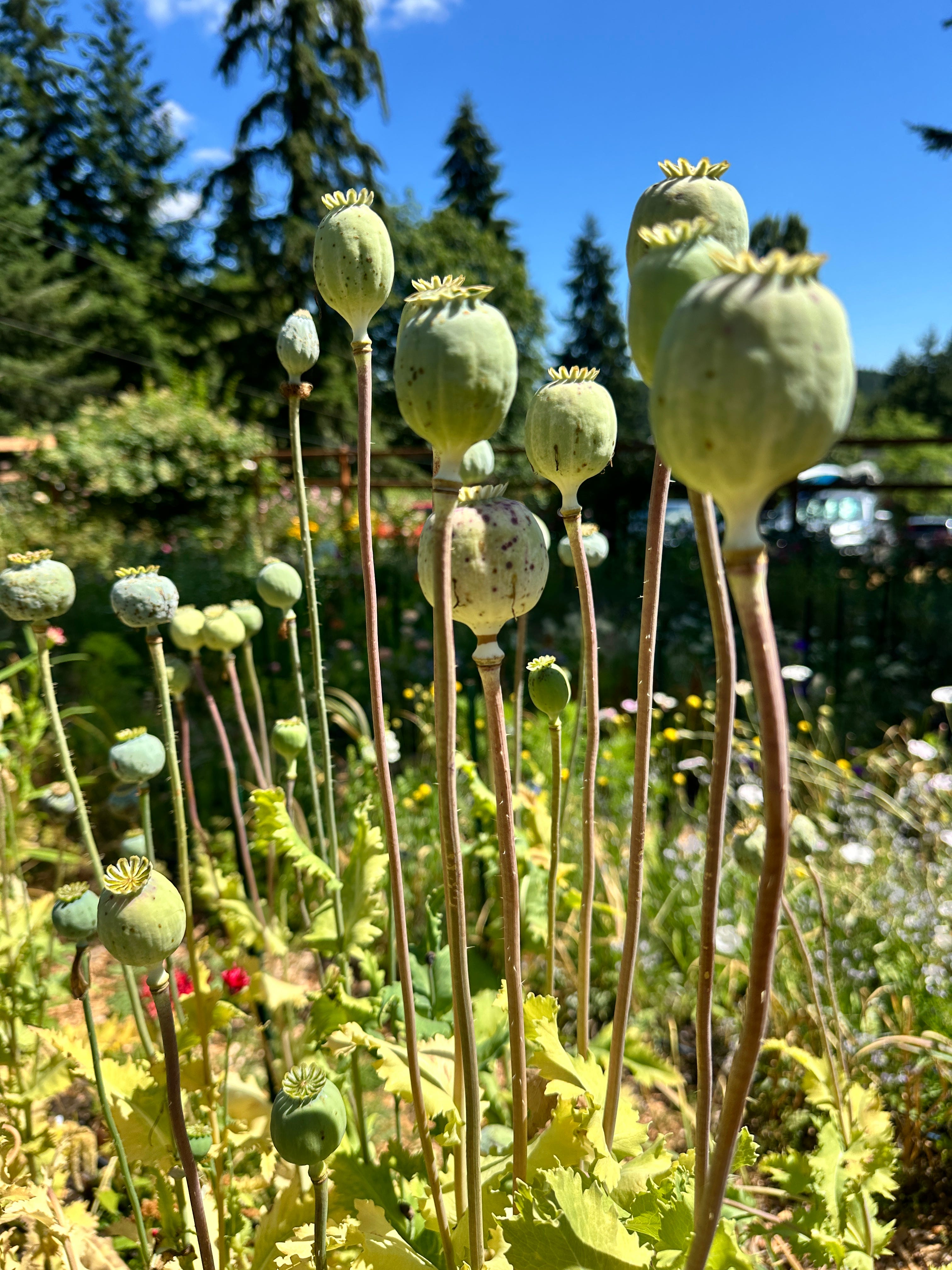
Another way I’ve started to think about this is to consider what is human scale and what is machine scale.
When we consider human scale we consider the actual human capacity required to get something done. We are forced to reckon with our bodily limits. Machine scale assumes there’s no possible end to the upwards curve of the graph. Limitless, endless growth.
Human scale considers our own needs, and those of others. Human scale considers connections. At human scale, we pay attention.
Optimizing: machine scale. Caring, tending, connecting: human scale.
I see a lot of the biohacking and productivity tips falling into machine scale thinking, when we start treating our bodies and machines as solely functioning off of input and output. On the human scale, there are emotions, ups and downs. Rest is also required, time for heartbreaks and just plain old bad days when your mood tanks.
A few months back I switched the company where I print my stickers. I was fed up with conversing with an AI chatbot whenever I had a customer service inquiry, and this new company is proudly run by humans.
When I went to put in a sticker order, the website told me that they were sold out for the day. Interesting, I thought, how do you sell out of a custom item? I clicked the info link:
“It means we’re a small business and have to create some sort of balance within our business, so our team doesn’t become overloaded with the amount of orders we need to process! Within capitalism, forever growth is encouraged- just keep taking on more and more, and just keep growing your business until it’s a large corporation that has no semblance of its original beginnings.”
This is the kind of thing that ensures my business as a customer. It felt so refreshing to have a company simply say, “we’re at capacity right now.”
Human scale.
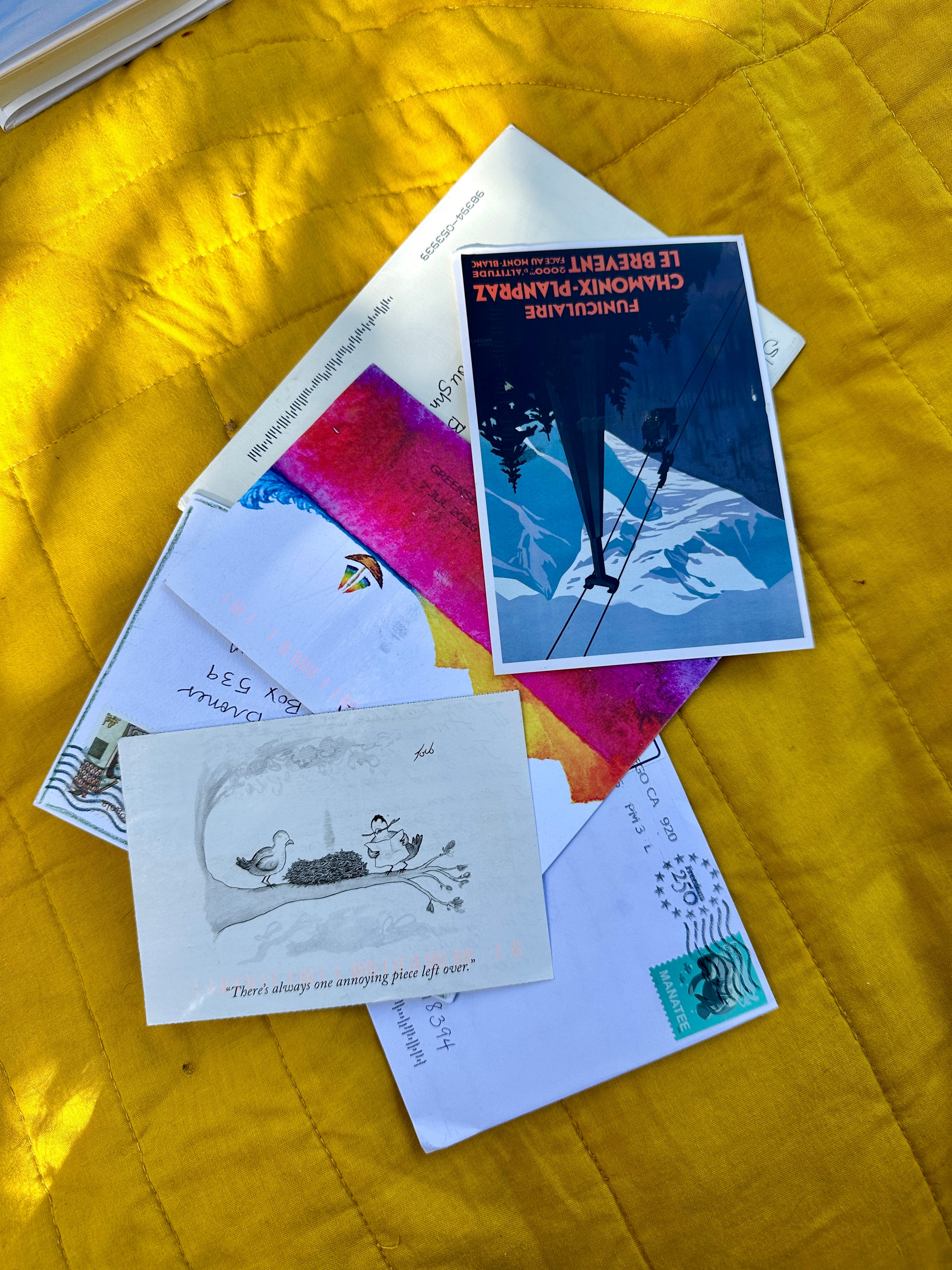
One of the biggest, and entirely unexpected, perks of sending out my analog newsletter has been getting mail in return. Over the last couple of weeks I’ve had a postcard or letter almost every day in my mailbox. This is a form of wealth, a certain kind of luxury. A direct human-to-human interaction by way of paper and a stamp. If you’re one of the lovely humans who sent one: thank you, it means more than you know.
In the letters, there was a general consensus of how nice it was to get something in the mail, that they too have been feeling digital overwhelm and are trying to incorporate more analog methods into their daily lives.
There’s definitely a surge in analog interest right now. It’s not only people launching print newsletters. People are excited about making zines, hosting letter writing clubs, getting together to have art nights. We want to find each other at that more human scale.
While I hate the term, “grandma hobbies” are definitely in (think: crafts and gardening). There’s a revival of film photography, restaurants post pictures of handwritten menus, and people are so adamantly opposed to ugly AI generated flyers that plain old sharpie is a lauded hero. Even spelling errors are in vogue these days.
Gen Zers reportedly are going around carrying “analog bags.” If you’ve never heard that term, it’s some kind of bag or tote that holds screen-free activities.
I’ll out myself as a cringe elder millennial and say that we’ve been shoving books, notebooks, and knitting into bags for years without needing to give it a name, but I am thrilled that the younger generation wants to do less scrolling (even if, yes, they are posting about it on TikTok).
Using the term analog to signify something that isn’t digital dates back to the 1940s, when it was a way of separating an older generation of electronics from the newer ones that were emerging. Now we usually just mean anything detached, disconnected from a screen. But I think what we’re really saying when we we long for analog methods is that we’re craving activities that take place at a human scale.
Brainstorming creative projects with friends, having the neighbors over for a pizza party, taking daily stock of the state of the tomatoes in the garden, writing by hand, going for a swim. They’re all analog activities. They’re also just human activities. Ways of being in the world as opposed to ways of consuming.
It’s not just that people are craving analog. We want proof of a human touch. We want to know something was dreamed up by a person, not a machine.
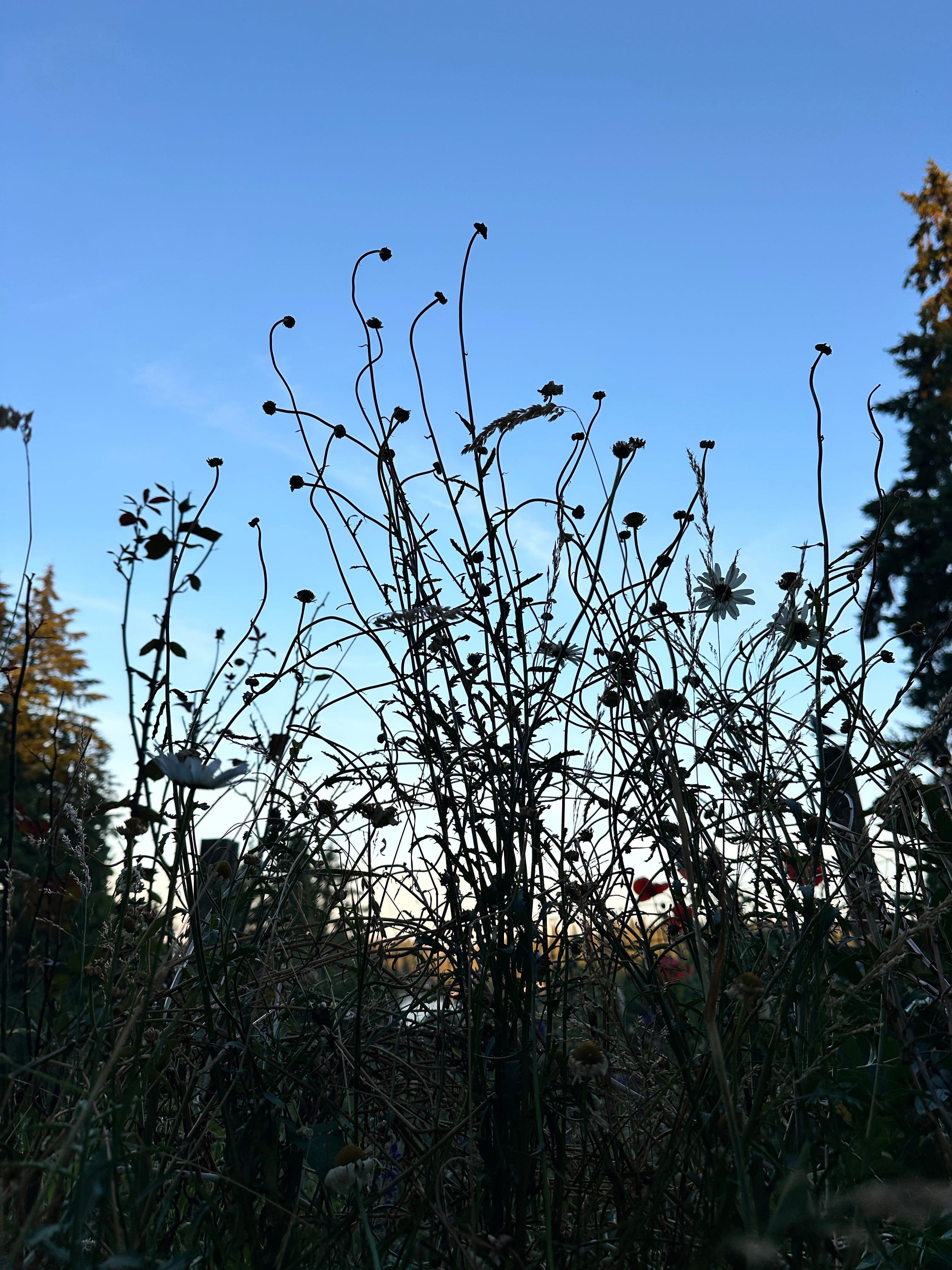
Earlier this year, a journalist coined the term “friction-maxxing,” the idea that you opt for the less convenient options in life instead of streamlining and automating every single task.
I think this idea of human scale fits better. It’s not that you have to constantly be after ways to make your life slightly more difficult, or always take the harder path. But when presented with a choice of how to do something, it’s worth considering the more human option.
What’s the option that offers a conversation, an interaction, a discovery, a moment of serendipity?
To honor human scale requires honoring others too. Celestial, geologic, environmental. To know our own human scale is to understand that our own cycles and lifespans are intertwined with much longer, and even shorter, ones. Threaded together, our own behavior has ripples that extend far beyond the here and now.
The sea, the earth, the stars—they all exist at a scale far beyond our own. Like many, I’ve always loved looking at the night sky largely because it doesn’t run on a human scale. The celestial scale is incomprehensible to me, which is exactly what infuses the sky with a sense of wonder. When we look up at the night sky, we’re looking into the past. Light traveling thousands, even millions, of years to reach us. What a gift to get to be a part of all that.
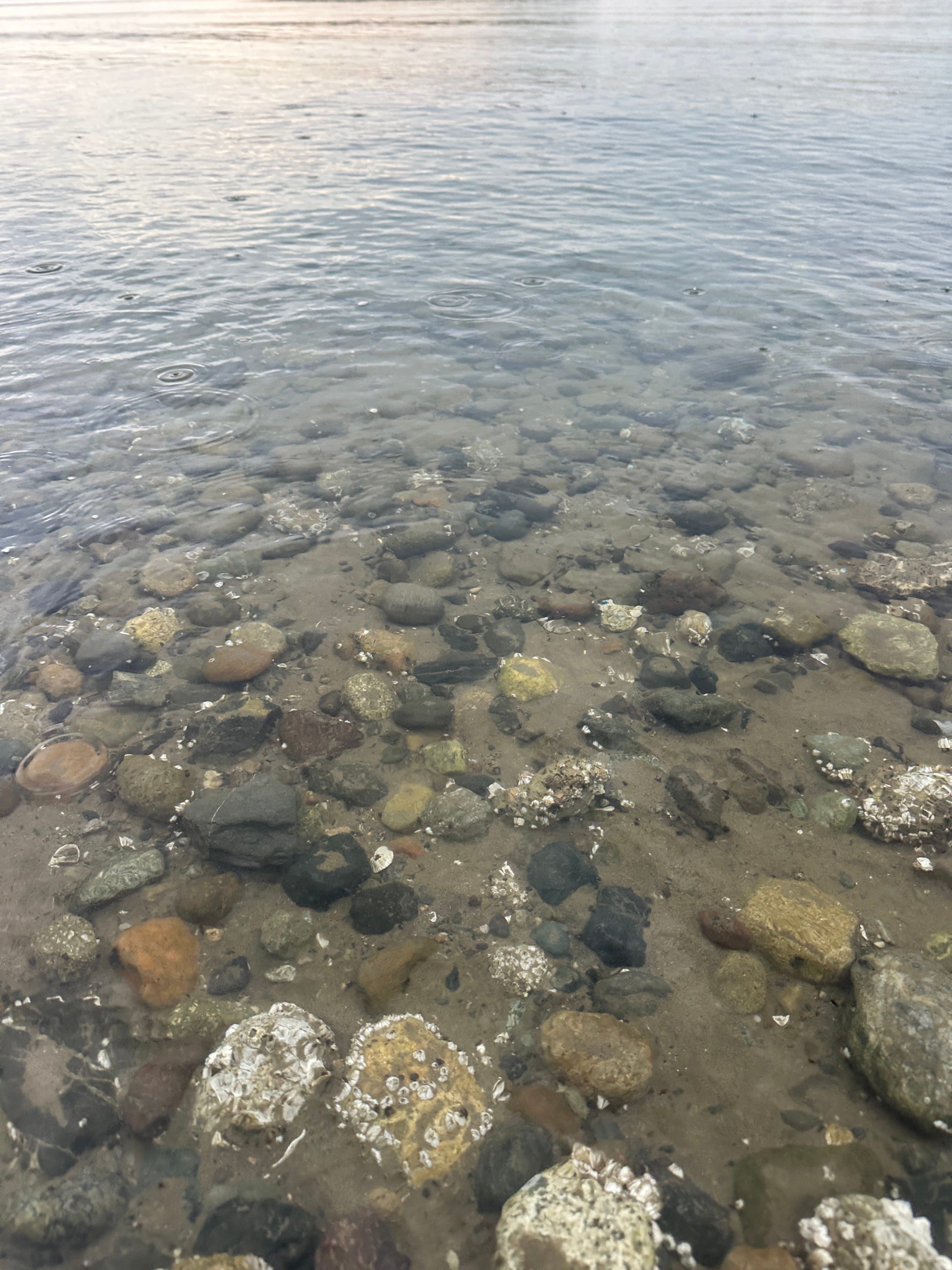
I feel this in other places too. At the water’s edge, in a forest. The places where I am reminded that I am just one tiny part of it, a grain of sand in the larger picture.
In an interview with The Guardian that I read this week, physicist Laura Grego notes that if you have been spending time tilting your head to the night sky and “looking at the stars and being full of wonder, full of connection with the universe,” that is about to shift, and in a really big way. “There are plans for tens of thousands more satellites, which would really change your relationship with what you see in the sky.”
Gone will be the nights of mapping constellations with only the occasional shooting star for distraction.
SpaceX recently applied for federal permission to get one million more satellites up there. To put that into perspective, right now there are about 16,000 satellites in orbit, and SpaceX is responsible for about half of those. Let me just take my pen to paper and do some analog math real quick… yes, that’s another 984,000 satellites circling around.
“…there may be thousands of them illuminated at any time, visible in the night sky, that would be bright enough for people to see,” Dark Sky Consulting founder John Barentine told the CBC. That loss will be utterly immeasurable. It’s the kind of loss and change that feels far beyond my own human scale, and maybe that’s what makes it so difficult to comprehend. It makes me even more motivated to take more time for star gazing as the summer dwindles.
This is just one example of the many headlines these days that cause our eyes to pop out. I think the moment that we’re in is precisely the reason that we’re turning to more analog activities. To do things in a slower, more tactile way is our antidote.
When leaders and corporations want to erase any sign of humanness, the rest of us are left desperate for signs of humanity. We want reminders of who we are and what we care about. We want to grasp onto something that we understand, that we know to be true.
I stood at the library counter the other day chatting with my friend who works there as I checked out my books.
The other woman working was helping two young girls get library cards. The girls were bouncy and animated, clearly excited about the task at hand. The librarian finally handed over the cards and said, “there you go, your first library card!” The girls were thrilled out of their minds. “This is MY card!” exclaimed one.
I am after these tiny moments. They are much needed sustenance.
Instances of human interaction, a tether to each other in this place and time.
-Anna
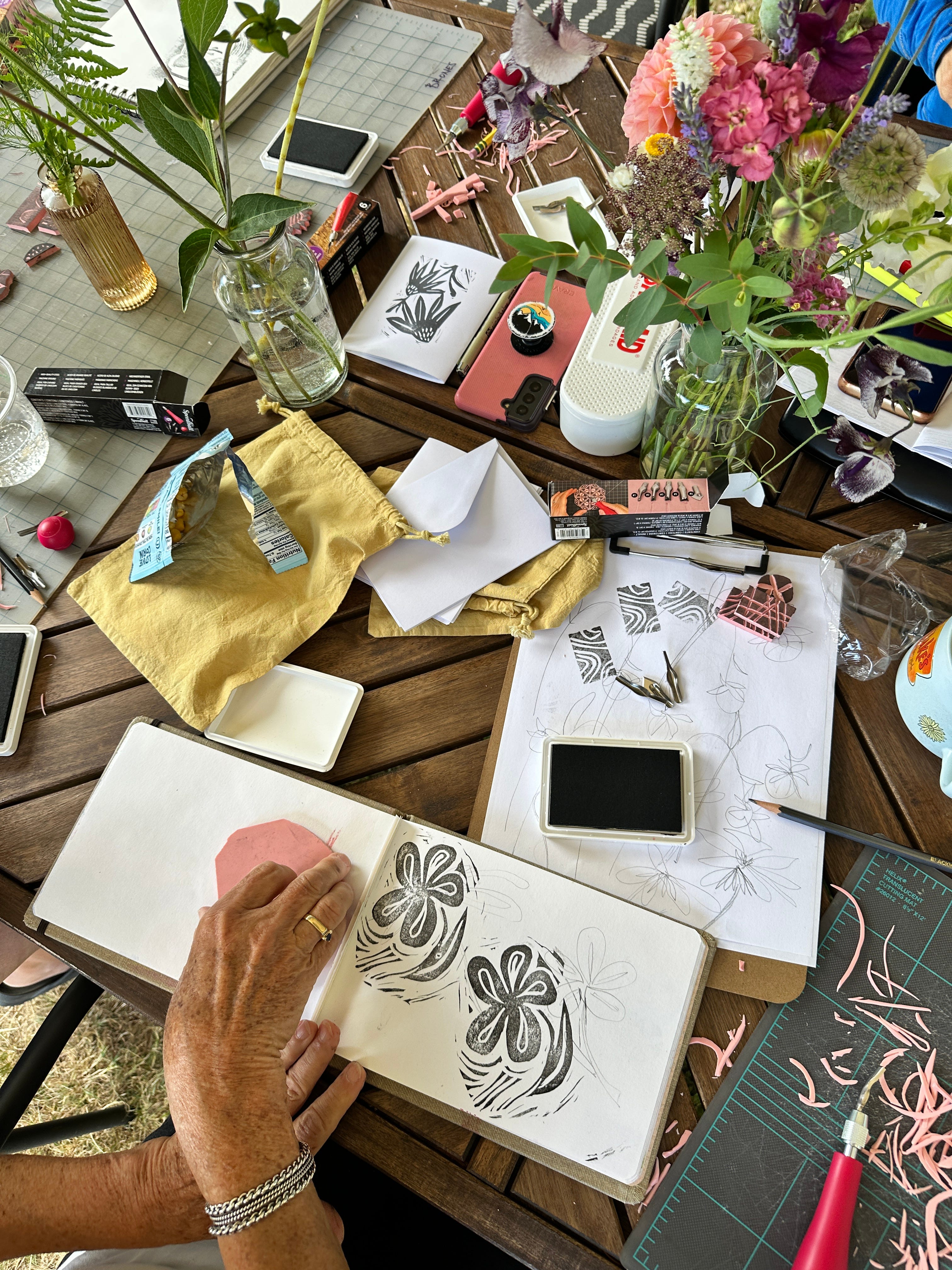

Host an art night!
I led a workshop last weekend and I was reminded of how much people need to be able to gather together and make things. You don’t need to host a whole workshop. But maybe an art night is in order.
A little gathering of friends around a table, a bunch of art supplies in the middle. You’re not after great works of art, just a moment of connection and creativity.

Your post reminds me of a Wendell Berry quote shared by another Substack writer:
"It is easy for me to imagine that the next great division of the world will be between people who wish to live as creatures and people who wish to live as machines."
I think about it often. Opting for creature when I can.
The bit about the satellites makes me nauseous.